Market Meltdown: Why Today’s Crypto Crash is Worse Than 2021


The crypto market is experiencing a significant downturn on Monday, August 5, 2024, drawing eerie parallels to the infamous crash of 2021. As investors grapple with the latest price drops, it’s worth examining the current market sentiment and how it compares to the tumultuous events of three years ago.
The Current State of the Crypto Market
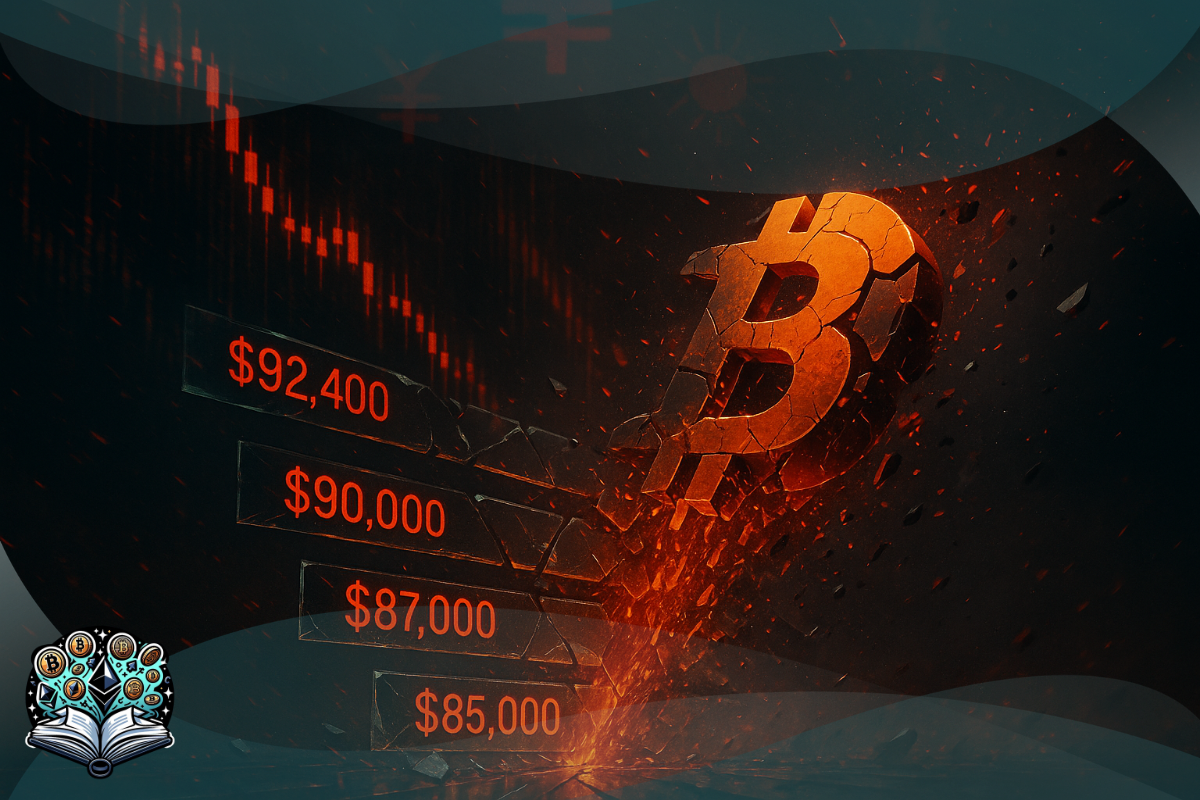
The major cryptocurrencies have seen a sharp decline today, with Bitcoin plunging by 15%, Ethereum down by 18%, and altcoins suffering even steeper losses. This sudden dip has wiped out billions from the market capitalization, stirring panic among investors. The trigger for this sell-off seems to be a combination of regulatory news, macroeconomic factors, and market dynamics that have created a perfect storm.
Regulatory Concerns
Recent announcements from the U.S. Securities and Exchange Commission (SEC) regarding stricter regulations on crypto exchanges and DeFi platforms have spooked the market. The SEC’s move aims to curb money laundering and protect investors, but it has also introduced uncertainty, leading to a massive sell-off.
Macroeconomic Factors
The global economic environment has also played a role in the current downturn. Rising interest rates and a strengthening U.S. dollar have diminished the appeal of risky assets like cryptocurrencies. Investors are moving their funds to safer havens, causing additional downward pressure on crypto prices.
Market Dynamics
The crypto market’s notorious volatility is once again on full display. Leveraged positions have been liquidated en masse, further driving prices down. This cascading effect is reminiscent of previous market crashes where margin calls and liquidations exacerbate the initial decline.
Drawing Parallels to the 2021 Crash
The market crash of May 2021 is still fresh in the minds of many investors. During that period, Bitcoin’s price fell from an all-time high of $64,000 in April to around $30,000 by the end of May, a drop of over 50%. Ethereum and other altcoins experienced similar declines. The crash was fueled by a combination of China’s crackdown on crypto mining and trading, environmental concerns about Bitcoin’s energy consumption, and negative comments from influential figures like Elon Musk.
Similarities
- Regulatory Pressure: Both crashes were significantly influenced by regulatory news. In 2021, China’s strict regulations had a global impact, while in 2024, the focus is on U.S. regulatory changes.
- Market Volatility: The liquidation of leveraged positions is a common theme, highlighting the inherent volatility and risk in the crypto market.
- Investor Sentiment: Panic selling and fear dominate both periods, with social media platforms flooded with discussions about the potential for further declines and the long-term viability of cryptocurrencies.
Differences
- Market Maturity: The crypto market in 2024 is more mature with greater institutional involvement than in 2021. This could lead to a faster recovery as institutional investors may view the current dip as a buying opportunity.
- Economic Environment: In 2021, the economic environment was still under the influence of COVID-19 recovery efforts, with governments providing stimulus packages. In contrast, 2024 is seeing tighter monetary policies, which have broader implications for all financial markets.
- Technological Developments: Advances in blockchain technology and the growth of decentralized finance (DeFi) and non-fungible tokens (NFTs) have changed the landscape, providing more utility and adoption for cryptocurrencies.
Crypto Market Sentiment and Future Outlook
Current sentiment is overwhelmingly negative, with fear and uncertainty driving market behavior. However, many experts believe that this downturn, like previous ones, will eventually lead to a period of consolidation and recovery. Long-term investors remain bullish on the fundamental value of blockchain technology and its potential to disrupt traditional financial systems.
In conclusion, while the current price drops are reminiscent of the 2021 crash, the crypto market’s evolution and broader economic conditions suggest a more nuanced situation. Investors are advised to stay informed and consider the long-term potential of their investments amid short-term volatility.