Ethereum’s Fusaka Upgrade Successfully Launches

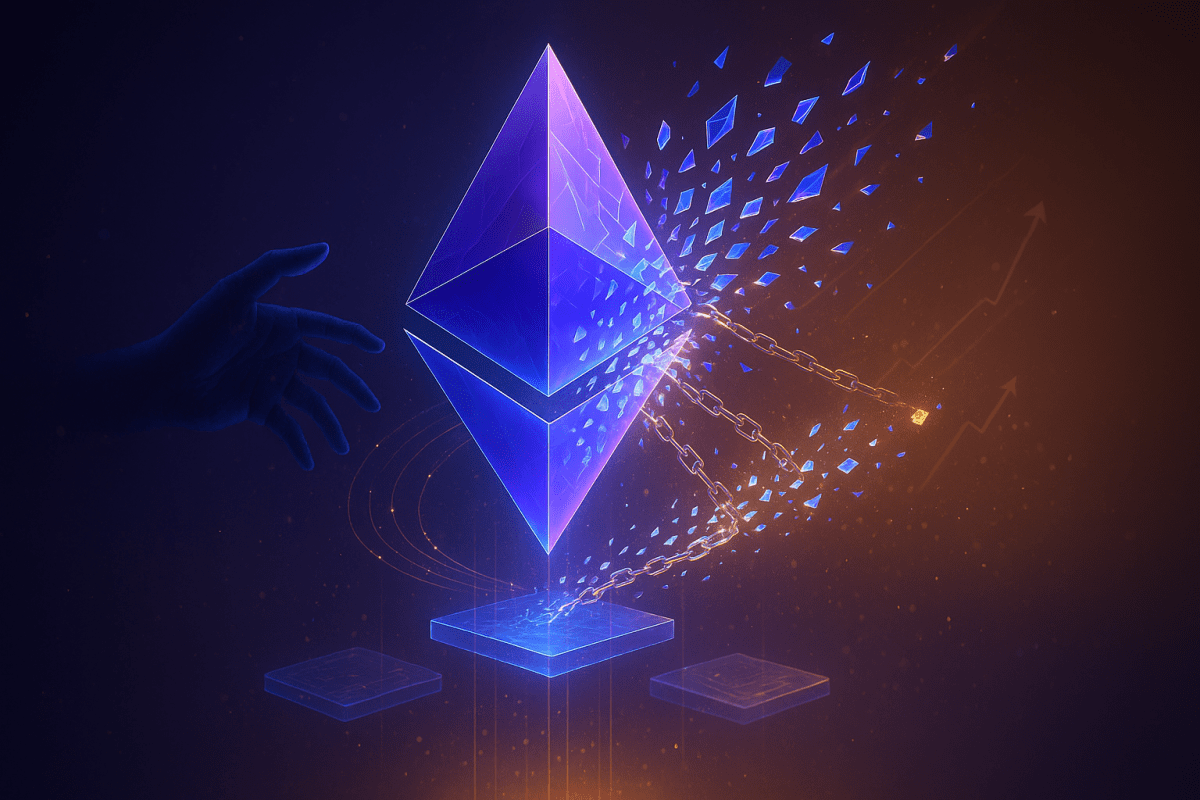
Ethereum deployed the Fusaka upgrade Monday, rolling out PeerDAS (Peer Data Availability Sampling) that slashes validators’ computational load by enabling verification of small data slices instead of entire blobs. This enhancement targets cutting fees and boosting data capacity up to 8x, setting the stage for rapid user experiences on the network, especially for Layer-2 solutions. The team announced the upgrade and its core features.
ETH climbed 9% ahead of the activation, breaking above $3,200 for the first time in weeks. Read: $3,210 at press time.
PeerDAS Cuts Costs and Scales Data
PeerDAS lets validators verify random fragments of data rather than entire data sets, slashing resource demands substantially. This reduces hardware requirements for validators and improves decentralization by broadening participation. The upgrade aims to expand the network’s data throughput by up to eightfold.
Lower validator costs also target shrinking gas fees—a persistent pain point. With better data availability sampling, Layer-2 projects gain more reliable settlement capabilities, enhancing user experience through faster, cheaper transactions.
Institutional Moves Signal Confidence
- BlackRock transferred $135 million worth of Ethereum into Coinbase Prime days before the upgrade.
- BitMine withdrew 30,278 ETH from Kraken, apparently positioning for Fusaka’s enhanced network capabilities.
These moves suggest major players expect Fusaka to unlock significant value and performance improvements for ETH and its scaling solutions.
“Fusaka isn’t just a technical upgrade — it’s Ethereum doubling down as the settlement layer for on-chain finance,” Vitalik Buterin noted in a recent tweet.
Market Impact and Next Steps
Following the Fusaka launch, ETH price surged sharply, breaking resistance levels after weeks of stagnation. Validators began running updated clients to take advantage of reduced hardware demands. Layer-2 developers prepared to integrate Fusaka’s data availability improvements into their scaling models.
The Ethereum Foundation plans ongoing monitoring of network performance, focusing on fee reductions and data throughput as metrics of success. The next scheduled network upgrade will test further scaling through rollups and sharding enhancements.